
Pavers & Natural Stone in
The WoodlandsArchitectural hardscape for covenant-controlled estates
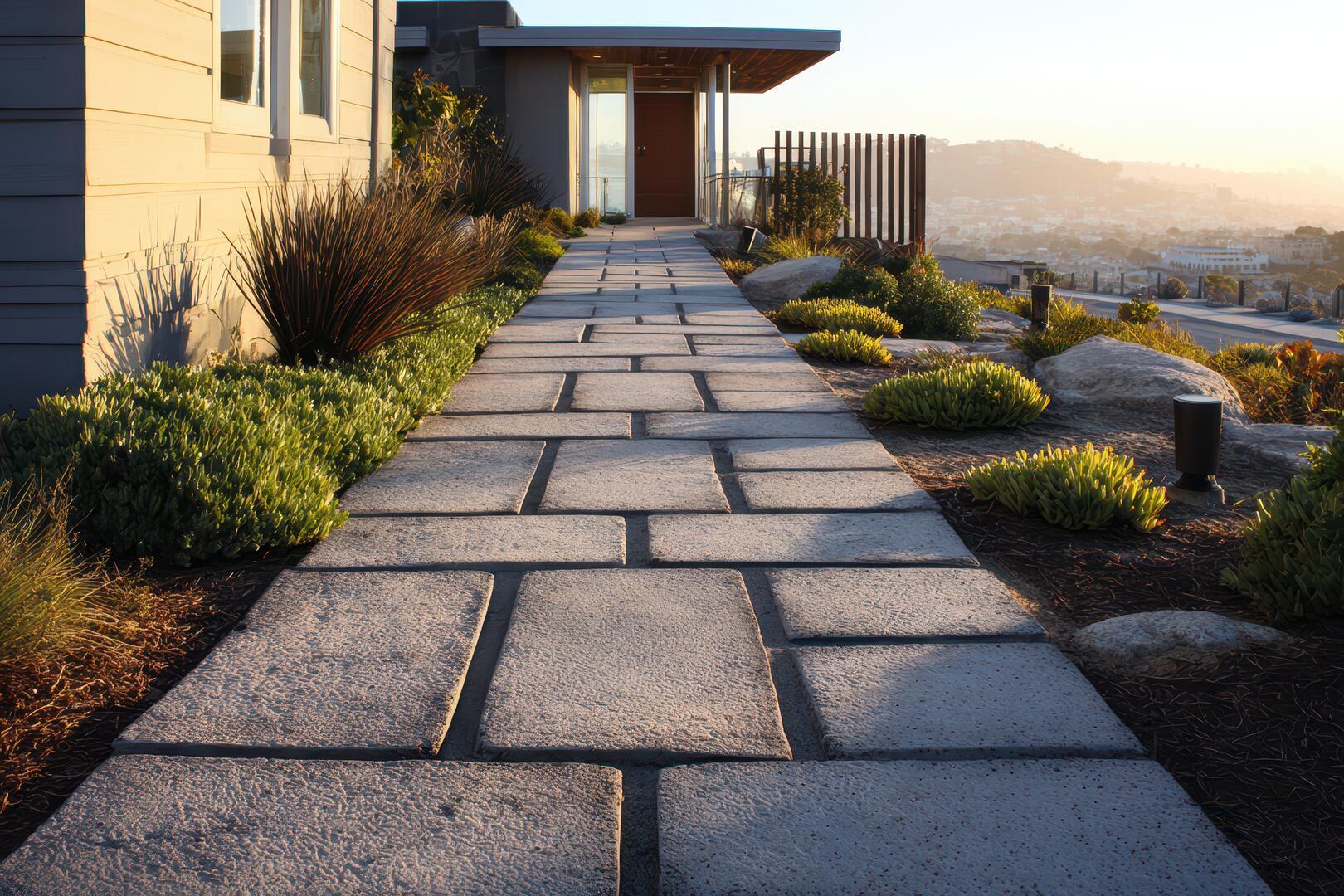
The Woodlands is the most design-sensitive market we work in. Every village ARC has its own palette, setback rules, and root-protection standards — and the filtered canopy light changes how a paver color reads at every hour of the day. Our hardscape installations are engineered to clear ARC review on the first submission while complementing the wooded, organic character that defines villages like Carlton Woods, Grogan's Mill, and Creekside Park.
What makes hardscape work different in The Woodlands
Three conditions separate a Woodlands paver project from anything elsewhere in the Greater Houston area: the dense pine and oak canopy, the aggressive surface-root systems that come with it, and the village-level Architectural Review Committee submissions each project has to pass. Patios installed flush against a 30-year-old loblolly pine will heave within two seasons if the excavation cuts the wrong roots — so our Woodlands installations begin with a tree-protection plan before a single cut is made, usually involving an arborist consult on estates in Carlton Woods and Indian Springs.
Material selection is equally specific. The filtered light that makes Woodlands lots feel like a park also mutes warm-tone pavers — concrete products that photograph beautifully under showroom lighting can read gray and flat under a pine canopy. We specify travertine and warm-tone porcelain almost exclusively in this market because they hold their color saturation in low light, and we avoid the harsh charcoal products that look out of place against the area's organic palette.
Our Woodlands paver & stone installation approach
Every Woodlands hardscape project moves through a process designed for village ARC compliance, root protection, and long-term stability on the area's expansive clay soil.
ARC-ready design packages
We prepare full submission packages — site plans, material samples, elevation drawings — formatted to the specific village ARC's requirements (WCA, Carlton Woods, Creekside Park each have different checklists).
Root-protection excavation
Hand excavation within tree drip lines, pier-supported overlays where critical roots are present, and crushed-granite settings instead of rigid concrete where roots will continue to expand.
Travertine & warm porcelain specs
Non-porous, temperature-stable pavers that hold color under canopy light and resist the moss growth common on shaded Woodlands patios.
Engineered sub-base for clay soil
8-inch compacted crushed-concrete base with geotextile separation on all patios larger than 150 sq ft — non-negotiable on the area's expansive soil.
Integrated drainage
Every patio larger than 200 sq ft ships with a hidden surface-drain or French-drain tie-in routed to an approved outlet, because Woodlands properties shed water slowly.
Polymeric sand & annual re-check
We use premium polymeric jointing sand on every installation and offer a one-year walk-through to top up joints after the soil has settled through a full wet/dry cycle.
Villages and communities we serve in The Woodlands
Each village has its own design language and ARC temperament. We've installed projects in most of them and know where the hand-off points are.
Carlton Woods
High-end estate work; ARC favors travertine and irregular flagstone.
Grogan's Mill
Original village; older grading often needs correction before any new hardscape.
Creekside Park
Newer builds with tighter ARC palettes — we default to warm modular pavers here.
Indian Springs
Mature canopy means heavy root work and arborist coordination on most patios.
Panther Creek
Sloped lots; nearly every project includes integrated drainage.
Sterling Ridge
Larger lots supporting full outdoor-living installations with pool decking.
Cochran's Crossing
Village ARC specifics differ — we prep material boards for every submission.
A recent Woodlands project
A Carlton Woods homeowner came to us after a prior contractor had installed a concrete paver patio that heaved an inch within 18 months from a mature pine root. We removed the failed work, brought in an arborist to map the root zone, and re-installed an irregular travertine terrace on a crushed-granite setting that lets the root continue to expand without lifting the surface.
The project cleared Carlton Woods ARC review on the first submission because the material palette and tree protection plan matched the village's existing guidelines. Two years on, the surface is still true.
What projects cost in The Woodlands
Woodlands hardscape budgets run higher than the greater Houston average because of the tree protection, ARC documentation, and premium material specs common in the area. Projects start at $2,500 and every estimate is free and on-site — we won't quote a Woodlands project sight-unseen because the tree and grade conditions vary too much to price accurately from a drawing.
The Woodlands
Footprint.
We install pavers & natural stone projects across The Woodlands and the surrounding North Houston corridor. Schedule a free on-site consultation by calling (713) 447-3398 or requesting a quote online.
Pavers & Natural Stone in The Woodlands
Questions Answered.
Will my Woodlands village ARC approve a paver patio?
In our experience, yes — every Woodlands project we've submitted has cleared village ARC review, usually on the first submission. The key is matching the village's specific material palette and preparing a full package: site plan, drainage plan, material samples, and tree-protection plan. We handle the submission as part of every Woodlands project, so you don't have to navigate WCA or your village's individual ARC alone.
Can pavers be installed near large pines and oaks in The Woodlands without killing the tree?
Yes, but only with proper planning. We hand-excavate within the drip line of any mature tree, avoid cutting roots larger than 2 inches, and specify crushed-granite settings rather than rigid concrete slabs where root expansion is expected. For specimen trees or trees flagged by the WCA, we coordinate with a certified arborist before breaking ground. Following these protocols, we've had no tree loss attributable to hardscape installation in the Woodlands projects we've completed.
What stone and paver materials look best under the Woodlands canopy?
Travertine is our most-specified material for The Woodlands because its warm ivory and walnut tones hold their color under filtered canopy light — concrete and charcoal products tend to read flat and gray in that lighting. Irregular flagstone is a close second for organic, woodland aesthetics. For pool decks and high-traffic areas, we specify warm-tone porcelain pavers with travertine-matching color — the temperature stability keeps the surface comfortable even after a full day of Texas sun.
Do I need a drainage system added to my Woodlands patio?
For any patio larger than about 200 sq ft on a Woodlands lot, we strongly recommend integrated drainage. The area's expansive clay soil sheds water slowly, and the canopy drops a significant volume of leaf litter that can clog surface drains. We typically tie patios into a French drain or channel system that routes water to an approved outlet, hidden beneath the finished landscape so the drainage is invisible in the completed design.
How long will a paver patio last in The Woodlands climate?
With a properly engineered sub-base and quality materials, a paver patio in The Woodlands should last 25+ years with only minor maintenance (re-sanding joints, occasional power-washing). The biggest long-term failure mode in this market is root intrusion — which is why our protocols around root protection and flexible settings are non-negotiable. Poor installations, especially those using rigid concrete sub-slabs, can fail in as little as 3–5 years when roots move.
Pavers & Natural Stone in Nearby Areas
More From Us in The Woodlands
All Pavers & Natural Stone Services
See how we design, engineer, and install pavers & natural stone projects across all six of our North Houston service areas.
View Hub ExploreAll Services in The Woodlands
Full landscape service menu for The Woodlands — drainage, hardscape, irrigation, outdoor living, and more.
View The Woodlands